Ancient India and culture all over world

भारत बहुत प्राचीन देश है। विविधताओं से भरे इस देश में आज बहुत से धर्म, संस्कृतियां और लोग हैं। आज हम जैसा भारत देखते हैं अतीत में भारत ऐसा नहीं था भारत बहुत विशाल देश हुआ करता था। ईरान से इंडोनेशिया तक सारा हिन्दुस्थान ही था। समय के साथ-साथ भारत के टुकड़े होते चले गये जिससे भारत की संस्कृति का अलग-अलग जगहों में बटवारां हो गया। हम आपको उन देशों को नाम बतायेंगे जो कभी भारत के हिस्से थे।
ईरान – ईरान में आर्य संस्कृति का उद्भव 2000 ई. पू. उस वक्त हुआ जब ब्लूचिस्तान के मार्ग से आर्य ईरान पहुंचे और अपनी सभ्यता व संस्कृति का प्रचार वहां किया। उन्हीं के नाम पर इस देश का नाम आर्याना पड़ा। 644 ई. में अरबों ने ईरान पर आक्रमण कर उसे जीत लिया।

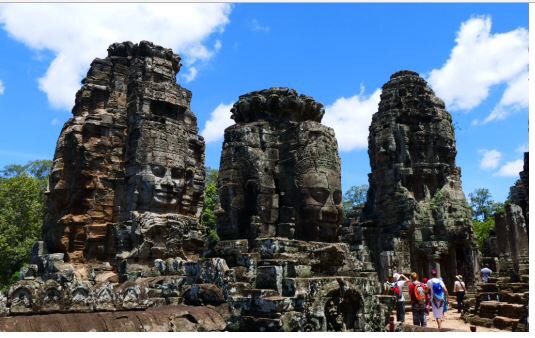
कम्बोडिया – प्रथम शताब्दी में कौंडिन्य नामक एक ब्राह्मण ने हिन्दचीन में हिन्दू राज्य की स्थापना की।


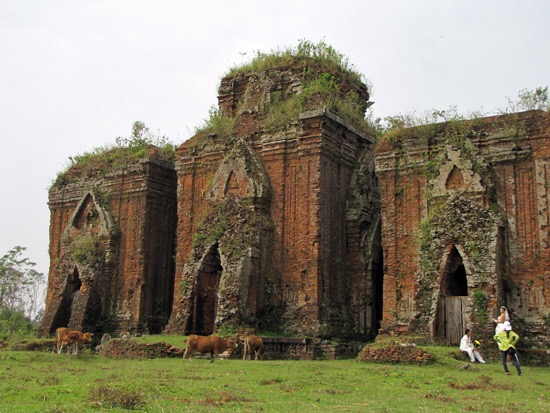
वियतनाम – वियतनाम का पुराना नाम चम्पा था। दूसरी शताब्दी में स्थापित चम्पा भारतीय संस्कृति का प्रमुख केंद्र था। यहां के चम लोगों ने भारतीय धर्म, भाषा, सभ्यता ग्रहण की थी। 1825 में चम्पा के महान हिन्दू राज्य का अन्त हुआ।


मलेशिया – प्रथम शताब्दी में साहसी भारतीयों ने मलेशिया पहुंचकर वहां के निवासियों को भारतीय सभ्यता एवं संस्कृति से परिचित करवाया। कालान्तर में मलेशिया में शैव, वैष्णव तथा बौद्ध धर्म का प्रचलन हो गया। 1948 में अंग्रेजों की गुलामी से मुक्त हो यह सम्प्रभुता सम्पन्न राज्य बना।


इण्डोनेशिया – इण्डोनिशिया किसी समय में भारत का एक सम्पन्न राज्य था। आज इण्डोनेशिया में बाली द्वीप को छोड़कर शेष सभी द्वीपों पर मुसलमान बहुसंख्यक हैं। फिर भी हिन्दू देवी-देवताओं से यहां का जनमानस आज भी परंपराओं के माधयम से जुड़ा है।


फिलीपींस – फिलीपींस में किसी समय भारतीय संस्कृति का पूर्ण प्रभाव था पर 15 वीं शताब्दी में मुसलमानों ने आक्रमण कर वहां आधिपत्य जमा लिया। आज भी फिलीपींस में कुछ हिन्दू रीति-रिवाज प्रचलित हैं।


अफगानिस्तान – अफगानिस्तान 350 इ.पू. तक भारत का एक अंग था। सातवीं शताब्दी में इस्लाम के आगमन के बाद अफगानिस्तान धीरे-धीरे राजनीतिक और बाद में सांस्कृतिक रूप से भारत से अलग हो गया।


नेपाल – विश्व का एक मात्र हिन्दू राज्य है, जिसका एकीकरण गोरखा राजा ने 1769 ई. में किया था। पूर्व में यह प्राय: भारतीय राज्यों का ही अंग रहा।


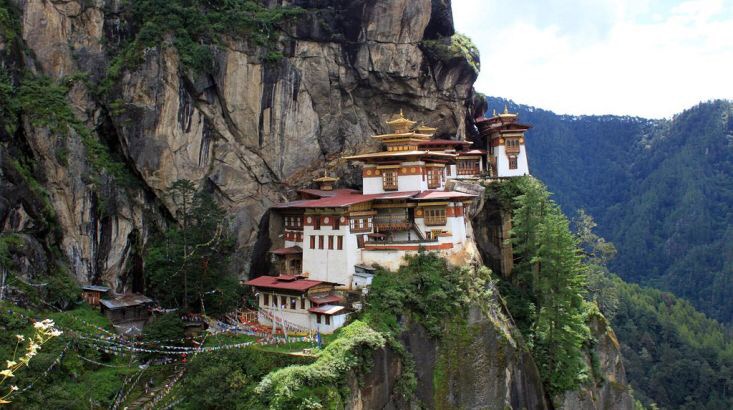
भूटान – प्राचीन काल में भूटान भद्र देश के नाम से जाना जाता था। 8 अगस्त 1949 में भारत-भूटान संधि हुई जिससे स्वतंत्र प्रभुता सम्पन्न भूटान की पहचान बनी।


तिब्बत – तिब्बत का उल्लेख हमारे ग्रन्थों में त्रिविष्टप के नाम से आता है। यहां बौद्ध धर्म का प्रचार चौथी शताब्दी में शुरू हुआ। तिब्बत प्राचीन भारत के सांस्कृतिक प्रभाव क्षेत्र में था। भारतीय शासकों की अदूरदर्शिता के कारण चीन ने 1957 में तिब्बत पर कब्जा कर लिया।


श्रीलंका – श्रीलंका का प्राचीन नाम ताम्रपर्णी था। श्रीलंका भारत का प्रमुख अंग था। 1505 में पुर्तगाली, 1606 में डच और 1795 में अंग्रेजों ने लंका पर अधिकार किया। 1935 ई. में अंग्रेजों ने लंका को भारत से अलग कर दिया।


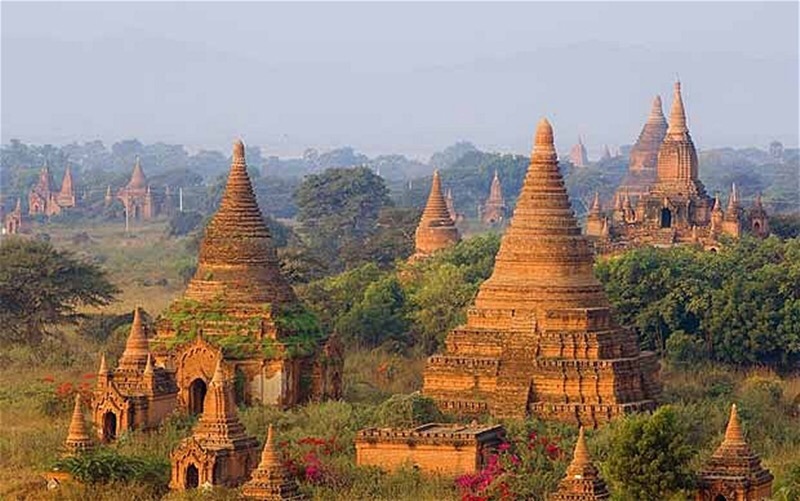
म्यांमार (बर्मा) – अराकान की अनुश्रुतियों के अनुसार यहां का प्रथम राजा वाराणसी का एक राजकुमार था। 1852 में अंग्रेजों का बर्मा पर अधिकार हो गया। 1937 में भारत से इसे अलग कर दिया गया।


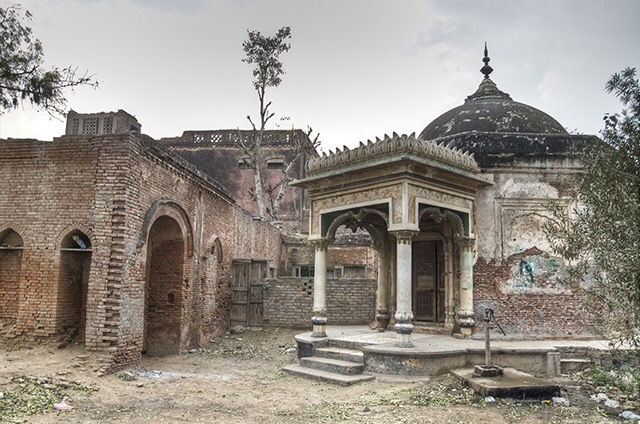
पाकिस्तान – 15 अगस्त, 1947 के पहले पाकिस्तान भारत का एक अंग था। हालांकि बटवारे के बाद पाकिस्तान में बहुत से हिन्दू मंदिर तोड़ दिये गये हैं, जो बचे भी हैं उनकी हालत बहुत ही जर्जर है। 


बांग्लादेश – बांग्लादेश भी 15 अगस्त 1947 के पहले भारत का अंग था। देश विभाजन के बाद पूर्वी पाकिस्तान के रूप में यह भारत से अलग हो गया। 1971 में यह पाकिस्तान से भी अलग हो गया।

Vedic scriptures and culture.


Revealed Vedic scriptures is original knowledge of this world but at present many Indians by believing in Aryan invasion theory, false western theories like Darwin evolution theory which Darwin himself could not prove and still remains challenged, are giving discredit to Vedic Sages. After independence atleast Indians should start believing in their culture & civilization then what western scientists say.

Perhaps Indians are ignorant about Puranic Manvantar history which calculates cyclical time as per 4 Yugas, Mahayugas, Manvantar & Kalpa and which disapproves evolution of humans from Apes which is a western Adamic-Abrahamic concept.

Infact advanced Aryan culture originated from the start of Bramha’s day during स्वयंभुव मनु or मन्वंतर in Northern India known as the land of ब्रम्हावर्त were the Vedic literatures were revealed to the Vedic Sages as is mentioned in Puranic history which are real history and not mythology.

The present 7th विवस्वान मन्वंतर started 120 million years ago and we are living now in 28 महायुग 5110 कलियुग year.

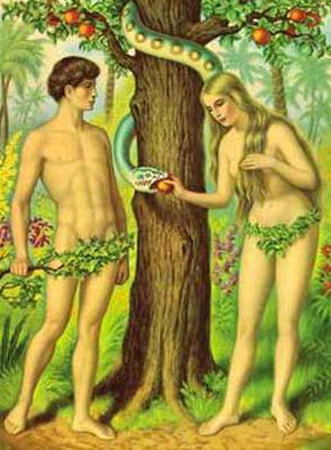
Vedic Aryans were never naked. Man was naked is western concept due to Out of Africa theory or Adamic history popular in West Asia in the dominant religion of Christianity and Islam. Sanatan Vedic Dharma God revealed Vedas to Aryans and God himself descended in various Avatars to protect Dharma from miscreants in various Yugas. So God cannot be created by humans. 

Manu is progenitor of mankind which is संस्कृत word from which english word Man or civilized human or मनुष्य or मानव having evovled mind originated in India known as Caucasoid or Aryan race in India while the Black race people originated in Africa and Mongols originated in East Asia.

Arab before Muhammad’s terrorism.

इराक का एक पुस्तक है, जिसे इराकी सरकार ने खुद छपवाया था। इस किताब में 622 ई से पहले के अरब जगत का जिक्र है। आपको बता दें कि ईस्लाम धर्म की स्थापना इसी साल हुई थी। किताब में बताया गया है कि मक्का में पहले शिव जी का एक विशाल मंदिर था जिसके अंदर एक शिव लिंग थी जो आज भी मक्का के काबा में एक काले पत्थर के रूप में मौजूद है। पुस्तक में लिखा है कि मंदिर में कविता पाठ और भजन हुआ करता था।प्राचीन अरबी का व्य संग्रह गंथ ‘सेअरूल-ओकुल’के 257वें पृष्ठ पर मोहम्मद से 2300 वर्ष पूर्व एवं ईसा मसीह से 1800 वर्ष पूर्व पैदा हुए लबी-बिन-ए-अरव्तब-बिन-ए-तुरफा ने अपनी सुप्रसिद्ध कविता में भारत भूमि एवं वेदों को जो सम्मान दिया है, वह इस प्रकार है-“अया मुबारेकल अरज मुशैये नोंहा मिनार हिंदे। व अरादकल्लाह मज्जोनज्जे जिकरतुन। 

1 वह लवज्जलीयतुन ऐनाने सहबी अरवे अतुन जिकरा।वहाजेही योनज्जेलुर्ररसूल मिनल हिंदतुन।

2।यकूलूनल्लाहः या अहलल अरज आलमीन फुल्लहुम।फत्तेबेऊ जिकरतुल वेद हुक्कुन मालन योनज्वेलतुन।

3।वहोबा आलमुस्साम वल यजुरमिनल्लाहे तनजीलन।फऐ नोमा या अरवीयो मुत्तवअन योवसीरीयोनजातुन।

4।जइसनैन हुमारिक अतर नासेहीन का-अ-खुबातुन।व असनात अलाऊढ़न व होवा मश-ए-रतुन।

5।”अर्थात-(1) हे भारत की पुण्य भूमि (मिनार हिंदे) तू धन्य है, क्योंकि ईश्वर ने अपने ज्ञान के लिए तुझ को चुना। 

(2) वह ईश्वर का ज्ञान प्रकाश, जो चार प्रकाश स्तम्भों के सदृश्य सम्पूर्ण जगत् को प्रकाशित करता है, यह भारतवर्ष (हिंद तुन) में ऋषियों द्वारा चार रूप में प्रकट हुआ।

(3) और परमात्मा समस्त संसार के मनुष्यों को आज्ञा देता है कि वेद, जो मेरे ज्ञान है, इनके अनुसार आचरण करो।

(4) वह ज्ञान के भण्डार साम और यजुर है, जो ईश्वर ने प्रदान किये। इस लिए, हे मेरे भाइयों! इनकोमानो, क्योंकि ये हमें मोक्ष का मार्ग बताते है।

(5) और दो उनमें से रिक्, अतर (ऋग्वेद, अथर्ववेद) जो हमें भ्रातृत्व की शिक्षा देते है, और जो इनकी शरण में आ गया, वह कभी अन्धकार को प्राप्त नहीं होता।इस्लाम मजहब के प्रवर्तक मोहम्मद स्वयं भी वैदिक परिवार में हिन्दू के रूप में जन्में थे, और जब उन्होंने अपने हिन्दू परिवार की परम्परा और वंश सेसंबंध तोड़ने और स्वयं को पैगम्बर घोषित करना निश्चित किया, तब संयुक्त हिन्दू परिवार छिन्न-भिन्न हो गया और काबा में स्थित महाकाय शिवलिंग (संगेअस्वद) के रक्षार्थ हुए युद्ध में पैगम्बर मोहम्मद के चाचा उमर-बिन-ए-हश्शाम को भी अपने प्राण गंवाने पड़े।उमर-बिन-ए-हश्शामका अरब में एवं केन्द्र काबा (मक्का) में इतना अधिक सम्मान होता था कि सम्पूर्ण अरबी समाज, जो कि भगवान शिव के भक्त थे एवं वेदों केउत्सुक गायक तथा हिन्दू देवी-देवताओं के अनन्य उपासक थे, उन्हें अबुल हाकम अर्थात ‘ज्ञान का पिता’ कहते थे। बाद में मोहम्मद के नये सम्प्रदाय ने उन्हें ईर्ष्यावश अबुलजिहाल ‘अज्ञान का पिता’ कह कर उनकी निन्दा की।जब मोहम्मद ने मक्का पर आक्रमण किया, उस समय वहाँबृहस्पति, मंगल, अश्विनी कुमार, गरूड़, नृसिंहकी मूर्तियाँ प्रतिष्ठित थी। साथ ही एक मूर्ति वहाँविश्वविजेता महाराजा बलि की भी थी, और दानी होने की प्रसिद्धि से उसका एक हाथ सोने का बना था।‘Holul’ के नाम से अभिहित यह मूर्ति वहां इब्राहम और इस्माइल की मूर्त्तियों के बराबर रखी थी। मोहम्मद ने उन सब मूर्त्तियों को तोड़कर वहां बने कुएं में फेंक दिया, किन्तु तोड़े गये शिवलिंग का एक टुकडा आज भी काबा में सम्मान पूर्वक न केवल प्रतिष्ठित है, वरन् हज करने जाने वाले मुसलमान उस काले (अश्वेत) प्रस्तर खण्ड अर्थात ‘संगे अस्वद’ कोआदर मान देते हुए चूमते है।जबकि इस्लाम में मूर्ति पूजा या अल्लाह के अलावा किसी की भी स्तुति हराम हैप्राचीन अरबों ने सिन्ध को सिन्ध ही कहा तथा भारत वर्ष के अन्य प्रदेशों को हिन्द निश्चित किया। सिन्ध से हिन्द होने की बात बहुत ही अवैज्ञानिक है। इस्लाम मत के प्रवर्तक मोहम्मद के पैदा होने से 2300 वर्ष पूर्व यानि लगभग 1800 ईश्वी पूर्व भी अरब में हिंद एवं हिंदू शब्द का व्यवहार ज्यों कात्यों आज ही के अर्थ में प्रयुक्त होता था।अरब की प्राचीन समृद्ध संस्कृति वैदिक थी तथा उस समय ज्ञान-विज्ञान, कला-कौशल, धर्म-संस्कृति आदि में भारत (हिंद) के साथ उसके प्रगाढ़ संबंध थे। हिंद नाम अरबों को इतना प्यारा लगा कि उन्होंने उस देश के नाम पर अपनी स्त्रियों एवं बच्चों के नाम भी हिंद पर रखे।अरबी काव्य संग्रह ग्रंथ ‘ से अरूल-ओकुल’ के 253वें पृष्ठ पर हजरत मोहम्मद के चाचा उमर-बिन-ए-हश्शाम की कविता है जिसमें उन्होंने हिन्दे यौमनएवं गबुल हिन्दू का प्रयोग बड़े आदर से किया है। ‘उमर-बिन-ए-हश्शाम’ की कविता नई दिल्ली स्थित मन्दिर मार्ग परश्री लक्ष्मी नारायण मन्दिर (बिड़लामन्दिर)की वाटिका में यज्ञ शाला के लाल पत्थर के स्तम्भखम्बे) पर काली स्याही से लिखी हुई है, जो इस प्रकार है –” कफविनक जिकरा मिन उलुमिन तब असेक । कलुवन अमातातुल हवा व तजक्करू ।

1।न तज खेरोहा उड़न एललवदए लिलवरा ।वलुकएने जातल्लाहे औम असेरू ।

2।व अहालोलहा अजहू अरानीमन महादेव ओ ।मनोजेल इलमुद्दीन मीनहुम व सयत्तरू ।

3।व सहबी वे याम फीम कामिल हिन्दे यौमन ।व यकुलून न लातहजन फइन्नक तवज्जरू ।

4।मअस्सयरे अरव्लाकन हसनन कुल्लहूम ।नजुमुन अजा अत सुम्मा गबुल हिन्दू ।

5।अर्थात् –(1) वह मनुष्य, जिसने सारा जीवन पाप व अधर्म में बिताया हो, काम, क्रोध में अपने यौवन को नष्ट किया हो। 

(2) यदि अन्त में उसको पश्चाताप हो, और भलाई की ओर लौटना चाहे, तो क्या उसका कल्याण हो सकता है ?

(3) एक बार भी सच्चे हृदय से वह महादेव जी की पूजा करे, तो धर्म-मार्ग में उच्च से उच्चपद को पा सकता है। 

(4) हे प्रभु ! मेरा समस्त जीवन लेकर केवल एक दिन भारत (हिंद) के निवास का दे दो, क्योंकि वहां पहुंचकर मनुष्य जीवन-मुक्त हो जाता है।

(5) वहां की यात्रा से सारे शुभ कर्मो की प्राप्ति होती है, और आदर्श गुरूजनों (गबुल हिन्दू) का सत्संग मिलता है।

Naked Mughals, terrorism, harem

Aurangzeb had 1000 sex-slaves in his harem. (Akbar had 5000, and Jahangir 6000. That means Aurangzeb was six times less pervert!). Almost all of them were Hindu women. They were either kidnapped or purchased or swapped or forced into prostitution.

ISIS and Sharia loving fanatic Muslims are glorifying the same legacy – exploit unlimited non-Muslim women in the night and serve the cause of Allah, then wake up at 4 am for prayers and again serve the cause of Allah! Meanwhile, follow the divine order of having only four official Muslim wives to yet again serve the cause of Allah! So that 72 virgins are allotted in Heaven as rewards for serving the cause of Allah!

Scientists like APJ Abdul Kalam, who were too busy serving the cause of nation to think of exploiting women, are not even considered Muslims by Sharia lovers. No wonder, when Dr. Kalam died, no prominent Muslim leader issued even a condolence. …

( from ‘Naked Mughals (Bestseller in Islamic books in India) )

Paperback –

https://buff.ly/2xc8n3i

PDF –

The Naked Mughals – Illustrated

Kindle Amazon –

https://buff.ly/2xcgCMN

पश्चिमी मानव विकास की कहानी पर सवाल

यदि आप 19  वि सदी में यूरोप में किसी आदमी से मानव विकास के बारे में पूछते तो वो यही जवाब देता की हम आदम और हव्वा की संताने है ,यही कहानी मुस्लमान भी आपको बताते और यहूदी भी।
आज जब Evolution का सिधांत सामने आया है फिर भी कई लोग आदम और हव्वा की कहानी पर विश्वास रखते है जो की केवल एक मनघडंत कहानी है।
विग्यानुसार मनुष्य केवल एक स्त्री पुरुष से नहीं आ सकता कम से कम आदिमानवो 10 हज़ार की संताने है आज के मनुष्य।
यदि हम आदम और हव्वा की संतान होते तो अपने भाई बहन से शादी कर हम अपना DNA नस्त कर कबके विलुप्त हो गए होते।
चलिए जरा आदम और हव्वा की कहानी पर गौर फरमाते है साथ ही इसके साथ उठते सवालो के जवाब भी देंगे।
आदम और हव्वा की कहानी शुरू होती है  इसराइल के देवता Yehweh की दुनिया की रचना के बाद ।इश्वर पृथ्वी पर ‘Eden Garden ‘ नाम का बाग़ बनाते  है जिसे चार नदिया बाटती  वे नदिया है टिगरिस ,यूफ्रातेस,पिशों और गिहों।
आज टिगरिस और यूफ्रातेस का अस्तित्व है। ये दोनों नदिया आज के इराक में बहती है बाकि दोनों नदिया आजतक नहीं मिली।
यही वजह है की विदेशी जो इसाई, म्मुसलमन और यहूदी है वे इराक को ही सबसे पुराणी सभ्यता बनते है इस सच्चाई को नकार की भारतीय सभ्यता सबसे पुराणी है।
यहाँ इश्वर आदम को बनाते है फिर उसकी फस्लियो से हव्वा को। इश्वर इस दुनिया के हर प्राणी को आदम के पास लाता है  और उनका नामकरण करने कहता है।
कम्करण केबाद इश्वर आदम को कहता है की अब से ये बाग़ तुम्हारा तुम कौनसा भी फल खा सकते हो और किसी भी जानवर का मास खा सकते हो पर याद रखना की ज्ञान के फल  वाले पेड़ का फल न खाना वरना तुम अमृतवा खो दोंगे साथ ही अच्व्हे बुरे की समाज पा लोंगे जिस कारन तुम इस बाग़ में नहीं रह पोंगे।
बाइबिल,कुरान और तोर्रें में साफ़ लिखा है की इश्वर दर गया की फल खाने के बाद वह सब जान जायेंगा और इश्वर की जगह ले लेंगा इसीलिए इश्वर आदम को फल खाने से रोकता है।
ऐसे ही कई दिन बिट गए ।एक साप जो की सैतान था वो हव्वा को अपनी बातो में फसा लेता की फल खालो ।
यहाँ भी लिखा है की केवल औरत जात ही है जो दुसरो की बातो में फसती है।पुरुष कभी नहीं फास्ता।
सैतान की बात मान हव्वा फल खा लेती है और उसकी देख हव्वा भी ।
हव्वा को इस बात के लिए खूब कोस जाता है और इस दुनिया में बुरे लाने वाली खा जाता है।
यह बात जान की आदम ने फल खा लिया इश्वर उन दोनों को बाग़ से निकल देता है।
अब आदम और हव्वा अमृतवा खोने के करे इश्वर से गुहार लगते है।
तरस खाकर इश्वर कहता है की मेरा बेटा मानव बन जन्म लेगा जो तुम्हारे कास्ट दूर करेगा ।
इसाई उस बेटे को ईसा कहते है ,मुस्लमान उसे मुहम्मद और यहूदी उसे मूसा कहते है।
अब इससे कई प्रस्न आते है ।

प्र 1 यदि Yehweh जानता था की आदम फल खायेंग तो अनर्थ हो जायेंगा तो ऐसा पेड बनाया ही क्यों और बनाया तो उसे उस बाग़ में क्यों लगाया ?
उ . क्युकी नहीं Yehweh था या कोई और ये केवल एक मंघदत कहानी है।

प्र 2 यदि फल खाने के बाद ही मानव में समझ आती तो मानव कैसे जीवित था।
उ . ये केवल बकवास है।

प्र 3 यदि हव्वा या औरत दुसरो की बातो में जल्दी फस जाती है और आदम या मर्द नहीं तो हव्वा के पीछे आदम ने भी फल क्यों खाया।
उ. ये झूठ है की केवल औरत ही दुसरो की बातो में जल्दी फसती है ताकि औरतो को दबाकर रखा जाये आपने हाथो के निचे।

प्र 4 यदि वो इश्वर का बेटा ईसा, मुहम्मद या मूसा है तो अबतक लोग अमर क्यों नहीं हुए और उनके कस्त क्यों दूर नहीं हुए।
उ. क्युकी ये सब झूठ है।

प्र5 यदि हव्वा ने फल खा कर मानव को ज्ञान और समझ दी तो उसे पहला पैगम्बर कहना चाहिए न ही आदम को ?
उ. ये धर्म केवल पुरुष प्रधान है इसीलिए ये उमीद छोड़ दो।
ये थी मानव विकास की झूठी कहानी  जो की केवल अन्धविश्वास है ताकि लोगो को मस्सिहा का झासा दे उनसे मन चाह काम कराया जाये।

जय माँ भारती

Ancient India before buddism and Jainism

महाजनपद :गणराज्य और साम्राज्य

By Aman

भारत में सरस्वती  नदी के सूखने के उपरांत लोग भारत के अनेक इलाको में प्रवास कर बसने लगे।
इनमे अधिकतर गणराज्य या राज्य होता इसीलिए इन्हें महाजनपद कहा गया क्युकी ये लोगो के प्रवास का केंद्र था|
महाजनपद असल में एक बड़े शक्तिशाली राज्य को कहते जो कई छोटे जनपदों को मिलकर बना था ,इसीलिए कई राज्यों ने साम्राज्यवाद अपनाया ताकि खुदके राज्यों को जनपद से उठाकर महाजनपद बना सके और यह उपलब्धि के 16 राज्यों को मिली |
महाजनपद का उल्लेख पहली बार पाणिनि द्वारा किया गया था ,उस वक़्त 22 महाजनपद थे और बाकि के छोटे राज्यों को जनपद कहा गया है।
पर 700 ईसापूर्व के आते आते ये केवल 16 रह गए ।
बोध और जैन में महाजनपदो का उल्लेख है पर बहोत से नाम अलग है।
इनमे मगध,गंधर ,कोसल,काशी और अवन्ती का नाम ही पाया जाता है।
600 ईसापूर्व के आते आते बिम्बिसार और अजातशत्रु  आये जिन्होंने मगध का विस्तार किया और मगध सभी जनपदों में मुख्य बन गया।
इससे पहले यह जगह काशी को प्राप्त थी।
यह वह वक़्त था जब भारत में लहे का उपयोग अधिक बड़ा और संस्कृत में प्रगति हुई।
इसी दौर में वैदिक धर्म दक्मगाने लगा और बोध धर्म का उदय हुआ।
जैन धर्म भी लोगो में काफी प्रशिध हुआ ।
निचे 16 महाजनपदो की सूचि है 700 ईसापूर्व से 300 ईसापूर्व के बिच की।
1. कुरु – मेरठ और थानेश्वर;
राजधानी इन्द्रप्रस्थ और हस्तिनापुर ।

2. पांचाल – बरेली, बदायूं
और फ़र्रुख़ाबाद;
राजधानी अहिच्छत्र तथा
कांपिल्य ।

3. शूरसेन – मथुरा के
आसपास का क्षेत्र;
राजधानी मथुरा।

4. वत्स – इलाहाबाद और
उसके आसपास; राजधानी
कौशांबी ।

5. कोशल – अवध; राजधानी
साकेत और श्रावस्ती ।

6. मल्ल – ज़िला देवरिया;
राजधानी कुशीनगर और
पावा (आधुनिक पडरौना)

7. काशी – वाराणसी;
राजधानी वाराणसी।

8. अंग – भागलपुर; राजधानी
चंपा ।

9. मगध – दक्षिण बिहार,
राजधानी राजगृह और पाटलिपुत्र (नन्द काल में )

10. वृज्जि –
ज़िला दरभंगा और
मुजफ्फरपुर; राजधानी
मिथिला, जनकपुरी और
वैशाली ।

11. चेदि – बुंदेलखंड;
राजधानी शुक्तिमती
(वर्तमान बांदा के पास)।

12. मत्स्य – जयपुर;
राजधानी विराट नगर ।

13. अश्मक – गोदावरी घाटी;
राजधानी पांडन्य ।

14. अवंति – मालवा;
राजधानी उज्जयिनी।

15. गांधार – पाकिस्तान
स्थित पश्चिमोत्तर
क्षेत्र; राजधानी
तक्षशिला ।

16. कंबोज – कदाचित
आधुनिक अफ़ग़ानिस्तान ;
राजधानी राजापुर।

भारत के सोलह महाजनपद

700 ईसापूर्व के आते आते कई कबीलों की जनसँख्या बड़ी। ये कबीला कृषको के थे। इनमे पंचायत राज चलता था इसीलिए जब ये राज्यों के तौर पर उभरे तो गन संघ या गणराज्य आया।
राज्य से उलट इसमें जनता का राज चलता ।
वैशाली गणराज्यो में मुख्य था।
यूनान से पहले और बेहतर लोकतंत्र भारत में था।
अब बात करते है गणराज्यो और राज्यों या साम्राज्यो की।

गणराज्य  


यूनानी लोकतंत्र या गणराज्य को प्रथम क्यों माना जाता है पता नहीं पर भारतीय गणराज्य यूनान से बेहतर थे।
यूनान में आप केवल राजा चुन सकते थे बस पर भारत में बहोत से कम जनता के इशारो पर होता। बाद में गणराज्य कमजोर पड गए और जनता राज चला गया।
गणराज्यो के प्रमुख को नायक या राजा ही कहा जाता।
इनका काम कर वसूलना था और जनता के लिए सड़क आदि बनवाना था।
बहुत से गणराज्यो में गणराज्य के प्रमुख केवल व्यापारी वर्ग के होते और केवल कर वसूलते।
वैशाली  और कलिंग को छोड़ बाकि गणराज्यो में केवल चुनिन्दा वर्ग के लोग ही संघ का हिस्सा बन सकते थे।
वैशाली  और कलिंग में चारो वर्ण को इज़ाज़त थी।
वैशाली  के संघ में 7707 नायक थे।
ये गणराज्य अधिकतर वैश्य वर्ण के लोगो के थे जो ब्राह्मण द्वारा थोपे गए राजा से मुक्ति और जनता का राज्य चाहते थे |
इनकी सभा बैठती थी और हर मसले पर चर्चा होती |
जो चुंगी या कर ये लेते |
बाद में इन्होने सेना की नियुक्ति शुरू कर दी |
वैशाली या वृज्जी गणसंघ 7 गणराज्य से बना था जिसमे से कुछ के नाम ही प्राप्त है |
इनमे से एक गणराज्य शक्य था जिसकी पूरी जनता ही सेना की तरह निपूर्ण थी |
गणराज्य अपने शिष्टाचार के लिए प्रशिध थे |
अधिकतर गणराज्य या गणसंघ बोद्ध धर्मी थे और वहा बोद्ध के नियम ही चलते |
वृज्जी गणसंघ में प्राणदंड की सजा किसी बड़े अपराध पर ही मिलती |यदि देखे तो वृज्जी के गणराज्यो को छोड़ अधिक गणराज्य में कुछ अलग जी नियम थे |
मालक ,शूद्रक और कलिंग में केवल एक ही व्यक्ति चुना जाता जो राजा कहलाता और राजा की तरह ही काम करता |
वृज्जी गणसंघ ,कलिंग ,मालक ,शूद्रक और अन्य कुछ गणराज्यो की नगर प्रणाली और नगर व्यवस्था बिलकुल सरस्वती सिन्धु सभ्यता जैसी थी जो इस बात का प्रमाण देता है की गणराज्य बसने वाले सिधु घटी के थे और आर्य थे नहीं विदेशी |

आप कुछ समानताये देख सकते है सिन्धु घाटी सभ्यता और महाजनपद के सिक्को में

सम्राट अजातशत्रु के काल में गणराज्यो का पतन शुरू हुआ |सम्राट अजातशत्रु ने 36 गणराज्यो को हराया |
मौर्य काल के आते आते के वल कुछ ही गणराज्य रह गए थे |गुप्त काल में वृज्जी के अंत के साथ भारत में गणराज्यो का अंत हुआ |महराज चन्द्रगुप्त ने वृज्जी की राजकुमारी कुमारदेवी से शादी की जिसके बाद वृज्जी एक प्रांत बनकर रह गया |वृज्जी के साथ रिश्ता काफी फायदे का पड़ा महाराज चन्द्रगुप्त क क्युकी वृज्जी के पास उस वक्त मगध का अधिक भाग था जो महाराज चन्द्रगुप्त को मिला |

साम्राज्य गणराज्य से उलट यहाँ महाराज की चलती ,साम्राज्यवादी लोग गणतांत्रिक राज्य वालो को घृणा की दृष्टी से देखते क्युकी उनके लिए गणराज्य के लोग सिर्फ लोभी होते साथ ही गणराज्यो में बोद्ध धर्म की ऐसी धूम मची की वे अधिक बोद्ध धर्म पलने लगे जिसके उपरांत हिन्दू धर्म वालो के लिए केवल साम्राज्य ही सहारा थे |
गणराज्यो में कला और विज्ञानं का उतना महत्व नहीं था जितना साम्राज्यों में थे इसीलिए जब भी भारत किसी साम्राज्य के अधीन रहता तभी कला और विज्ञान का विकास हुआ |
भारत में कई महान साम्राज्य जुए जैसे मौर्य साम्राज्य ,गुप्त साम्राज्य,शुंग साम्राज्य ,सातवाहन साम्राज्य ,विजयनगर साम्राज्य ,मराठा साम्राज्य  और कई अनेक साम्राज्य हुए |विदेशी साम्राज्यवाद से उलट न्हारत के साम्राज्यों ने नेतिकता  और धर्म का साम्राज्य खड़ा किया |
महाजनपदो कशी शुरुआत में सबसे शक्तिशाली था और कशी ने महाजनपदो में साम्राज्यवाद शुरू किया |
आखिरकार बिम्बिसार के काल में शक्ति मगध के हाथ आई ,बिम्बिसार के बाद उनके बेटे अजातशत्रु आये जिन्होंने 36 गणराज्य जीते \
मगध में कई वंश बदले और फिर आया नन्द वंश जिसके केवल दो ही राजाओ ने मगध की सीमा उत्तर में कश्मीर तक ,पूर्व में अरुणाचल प्रदेश तक ,पश्चिम में यमुना तक और दक्षिण में मध्यप्रदेश तक |

नन्द साम्राज्य
मौर्य साम्राज्य अशोक के शाशन में

नन्द वंश के बाद मौर्य वंश आया जिसने पुरे भरत को एक किया |चन्द्रगुप्त मौर्य पहले सम्राट थे मौर्य वंश के ,उन्होंने मगध की सीमाए अफगानिस्तान तक फैलाई ,उत्तर में आज का पूरा कश्मीर ,नेपाल ,तिब्बत के कुछ भाग थे ,दक्षिण कर्णाटक का मौर्य वंश का द्वाज लहराता था |
बिन्दुसार मौर्य  ने 16 छोटे राज्यों को जीता |बिन्दुसार के बाद उनका छोटा लड़का अशोक मौर्य सम्राट बना जिसने कलिंग जीत अखंड भारत पर राज किया |अशोक मौर्य अपनी शांतिप्रियता के लिए जाना जाता है साथ ही बोद्ध धर्म को बढावा देने की वजह से कई बोद्ध लोगो के लिए वह चहेता है |
अशोक मौर्य की मृत्यु के 50 वर्ष बाद ही मौर्य वंश समाप्त हुआ और भारत कई टुकडो में बत गया जिसे फिरसे गुप्तो ने जोड़ा |
मौर्य वंश के साथ ही महाजनपदो का युग खत्म हुआ ,मौर्य साम्राज्य के बाद सिधु नदी के किनारे कई विदेशी राज्यों ने हमला किया साथ ही भारत में कई छोटे छोटे राज्य बसे ,अब किसी को जनपद से महाजनपद नहीं बनना था क्युकी अब सबको साम्राज्य खड़ा करना था |

The Size of this Universe

The The Size of this Universe – from Śrīmad-Bhāgavatam 3.11.40-42 

SB 3.11.40This phenomenal material world is expanded to a diameter of four billion miles, as a combination of eight material elements transformed into sixteen further categories, within and without, as follows.

The analytical studies of the material world are the subject matter of Sāṅkhya philosophy. The first sixteen diversities are the eleven senses and five sense objects, and the eight elements are the gross and subtle matter, namely earth, water, fire, air, sky, mind, intelligence and ego. All these combined together are distributed throughout the entire universe, which extends diametrically to four billion miles. Besides this universe of our experience, there are innumerable other universes. Some of them are bigger than the present one, and all of them are clustered together under similar material elements as described below.

SB 3.11.41The layers or elements covering the universes are each ten times thicker than the one before, and all the universes clustered together appear like atoms in a huge combination.

The coverings of the universes are also constituted of the elements of earth, water, fire, air and ether, and each is ten times thicker than the one before. The first covering of the universe is earth, and it is ten times thicker than the universe itself. If the universe is four billion miles in size, then the size of the earthly covering of the universe is four billion times ten. The covering of water is ten times greater than the earthly covering, the covering of fire is ten times greater than the watery covering, the covering of air is ten times greater than that of the fire, the covering of ether is ten times greater still than that of air, and so on. The universe within the coverings of matter appears to be like an atom in comparison to the coverings, and the number of universes is unknown even to those who can estimate the coverings of the universes.

SB 3.11.42The Supreme Personality of Godhead, Śrī Kṛṣṇa, is therefore said to be the original cause of all causes. Thus the spiritual abode of Viṣṇu is eternal without a doubt, and it is also the abode of Mahā-Viṣṇu, the origin of all manifestations.

Lord Mahā-Viṣṇu, who is resting in yoga-nidrā on the Causal Ocean and creating innumerable universes by His breathing process, only temporarily appears in the mahat-tattva for the temporary manifestation of the material worlds. He is a plenary portion of Lord Śrī Kṛṣṇa, and thus although He is nondifferent from Lord Kṛṣṇa, His formal appearance in the material world as an incarnation is temporary. The original form of the Personality of Godhead is actually the svarūpa, or real form, and He eternally resides in the Vaikuṇṭha world (Viṣṇuloka). The word mahātmanaḥ is used here to indicate Mahā-Viṣṇu, and His real manifestation is Lord Kṛṣṇa, who is called parama, as confirmed in the Brahma-saṁhitā:

īśvaraḥ paramaḥ kṛṣṇaḥ
sac-cid-ānanda-vigrahaḥ
anādir ādir govindaḥ
sarva-kāraṇa-kāraṇam

“The Supreme Lord is Kṛṣṇa, the original Personality of Godhead, known as Govinda. His form is eternal, full of bliss and knowledge, and He is the original cause of all causes

Link

RED FORTE IS LAL KOT CONSTRUCTED BY ANANG PAL- OF TOMAR DYNASTY

# लालकिला का असली नाम लालकोट हैं # (एक रहस्यमय जानकारी)

जैसे ताजमहल का असली नाम तेजोमहालय है और क़ुतुब मीनार का असली नाम विष्णु स्तम्भ है वैसे ही यह बात भी सत्य है|
– अक्सर हमें यह पढाया जाता है कि दिल्ली का लालकिला शाहजहाँ ने बनवाया था| लेकिन यह एक सफ़ेद झूठ है और इतिहासकारों का कहना है की वास्तव में लालकिला पृथ्वीराज ने बारहवीं शताब्दी में पूरा बनवाया था जिसका नाम “लाल कोट “था जिसे तोमर वंश के शासक ‘अनंग पाल’ ने १०६० में बनवाना शुरू किया था |महाराज अनंगपाल तोमर और कोई नहीं बल्कि महाभारत के अभिमन्यु के वंशज तथा महाराज पृथ्वीराज चौहान के नाना जी थे|

इसका प्रमाण >

तारीखे फिरोजशाही के पृष्ट संख्या 160 (ग्रन्थ ३) में लेखक लिखता है कि सन 1296 के अंत में जब अलाउद्दीन खिलजी अपनी सेना लेकर दिल्ली आया तो वो कुश्क-ए-लाल ( लाल प्रासाद/ महल ) कि ओर बढ़ा और वहां उसने आराम किया.
>अकबरनामा और अग्निपुराण दोनों ही जगह इस बात के वर्णन हैं कि महाराज अनंगपाल ने ही एक भव्य और आलिशान दिल्ली का निर्माण करवाया था.
> शाहजहाँ से 250 वर्ष पहले ही 1398 ईस्वी में तैमूरलंग ने भी पुरानी दिल्ली का उल्लेख किया हुआ है (जो कि शाहजहाँ द्वारा बसाई बताई जाती है).
– लाल किले के एक खास महल मे वराह के मुँह वाले चार नल अभी भी लगे हुए हैं क्या शाहजहाँ सूअर के मुंह वाले नल को लगवाता ? हिन्दू ही वराह को अवतार मान कर पावन मानते है|
– किले के एक द्वार पर बाहर हाथी की मूर्ति अंकित है क्योंकि राजपूत राजा गजो (हाथियों) के प्रति अपने प्रेम के लिए विख्यात थे जबकि इस्लाम जीवित प्राणी के मूर्ति का विरोध करता है|
– लालकिला के दीवाने खास मे केसर कुंड नाम से एक कुंड भी बना हुआ है जिसके फर्श पर हिंदुओं मे पूज्य कमल पुष्प अंकित है| साथ ही ध्यान देने योग्य बात यह है कि केसर कुंड एक हिंदू शब्दावली है जो कि हमारे राजाओ द्वारा केसर जल से भरे स्नान कुंड के लिए प्राचीन काल से ही प्रयुक्त होती रही है|
– गुंबद या मीनार का कोई अस्तित्व तक नही है लालकिला के दीवानेखास और दीवानेआम मे| दीवानेखास के ही निकट राज की न्याय तुला अंकित है \ ब्राह्मणों द्वारा उपदेशित राजपूत राजाओ की न्याय तुला चित्र से प्रेरणा लेकर न्याय करना हमारे इतिहास मे प्रसिद्द है|
– दीवाने ख़ास और दीवाने आम की मंडप शैली पूरी तरह से 984 ईस्वी के अंबर के भीतरी महल (आमेर/पुराना जयपुर) से मिलती है जो कि राजपूताना शैली मे बना हुई है|
आज भी लाल किले से कुछ ही गज की दूरी पर बने हुए देवालय हैं जिनमे से एक लाल जैन मंदिर और दूसरा गौरीशंकर मंदिर है जो कि शाहजहाँ से कई शताब्दी पहले राजपूत राजाओं के बनवाए हुए है|
– लाल किले के मुख्य द्वार के फोटो में बने हुए लाल गोले में देखिये , आपको अधिकतर ऐसी अलमारियां पुरानी शैली के हिन्दू घरो के मुख्य द्वार पर या मंदिरों में मिल जायंगी जिनपर गणेश जी विराजमान होते हैं |
– और फिर शाहजहाँ ने एक भी शिलालेख मे लाल किले का वर्णन तक नही है

DHRUV STAMBH NOT QUTUB MINAR

"Photo:

VIJAY STAMBHA ~ OF EMPEROR VIKRAMADITYA ~~ TRUTH OF FALSE QUTUB MINAR

The complex is supposed to be built by the Greatest of Hindu emperors there was MaharajaDhiraj Vikramaditya of Ujjaini , brother of Bharathiri the Kind and Philosopher and originator of Bharathari neeti shataka . The tower is known to have been errected to celebrate the victory of the Great Emperor Vikramaditya , over the lands now called as Arab lands . They have known to celebrate the coming of the vedic way of life .

Vedic culture was very much alive just before the birth of Muhammad. Again let’s refer to the Sair-Ul-Okul. The following poem was written by Jirrham Bintoi who lived 165 years before the prophet Muhammed. It is in praise of India’s great King Vikramaditya who had lived 500 years before Bintoi.

“Itrasshaphai Santul
Bikramatul phehalameen Karimun
Bihillahaya Samiminela
Motakabbenaran Bihillaha
Yubee qaid min howa
Yaphakharu phajgal asari
nahans Osirim Bayjayholeen
Yaha sabdunya Kanateph natephi
bijihalin Atadari Bilala masaurateen
phakef Tasabahu. Kaunni eja majakaralhada
– (Sair-ul-Okul, Page 315)

“Fortunate are those who were born during King Vikram’s reign, he was a noble generous, dutiful ruler devoted to the welfare of his subjects. But at that time, We Arabs oblivious of divinity were lost in sensual pleasures. Plotting & torture were rampant. The darkness of ignorance had enveloped our country. Like the lamb struggling for its life in the cruel jaws of a wolf, we Arabs were gripped by ignorance. The whole country was enveloped in a darkness as intense as on a New moon night. But the present dawn & pleasant sunshine of education is the result of the favor of that noble king Vikram whose benevolence did not lose sight of us foreigners as we were. He spread his sacred culture amongst us and sent scholars from his own land whose brilliance shone like that of the sun in our country. These scholars & preceptors through whose benevolence we were once again made aware of the presence of god, introduced to his secret knowledge & put on the road to truth, had come to our country to initiate us in that culture & impart education.”

Thus we can see that Vedic religion and culture were present in Pre-Islamic Arabia as early as 1850 B.C., and definitely present at the time of Mohammed’s birth.
The Iron Pillar served an important astronomical function, when it was originally at Vishnupadagiri. The early morning shadow of the Iron Pillar fell in the direction of the foot of Anantasayain Vishnu (in one of the panels at Udayagiri) only in the time around summer solstice (June 21).Dhillika is the old name of India’s capital, New Delhi. The name Delhi is derived from the word ‘Dhillika’.The Iron Pillar ,a symbol of Truth and Nemesis-God Shani of Hindu Religion was brought by Anang Pal of Tomar dynasty to Delhi to establish rule of Clean,truthful and honest governance,from Mathura a land of Krishna devotion.The idea behind it was to establish an orientation to the great epic Mahabharata whic

h is connected to the history of Delhi as well as the significance of Gita,and Yudhishtra’s ascent to heaven in bodily form; from Swargya Rohini..The Hindu rulers built temples and used psychological epigraphs and monuments to instill religion in the local The Iron pillar bears an inscription in Sanskrit which states that it was erected as a standard in honour of the Hindu god, Vishnu. It also praises the valor and qualities of a king referred to simply as Chandra, who has been identified with the Gupta King Chandragupta II Vikramaditya (375-413).

The reference was also to the Satvikka Purana [Smirti Texts of Hinduism]called Garuda Purana which is recited as a cremation ritual.The Garuda atop the pillar ,which was removed by muslims,bore testimony to what was inscribed and its relevance to the installation of the pillar.The pillar was used to signify the death principle of Hindus,the need for attaining Mokhsha and the path of Dharma. The iron pillar was the Garud Dhwaj alias Garud Stambh, i.e, the sentinel post of the Vishnu temple. The Sanskrit inscription in Brahmi script on the non-rusting iron pillar proclaimed the lofty standards of Vishnu on Vishnupad Giri. Here in the said precincts ,the description indicates that a statue of the rec- lining Vishnu ;initiating the creation was consecrated in the central shrine there which was ravaged by Mohammad Ghori and his henchman Qutubuddin.

Truth revealed from sky . People usually see this tower from ground. Prof Bhatnagar hired a helicopter and took a photo from the sky. That is when he realised that is a blooming lotus flower.

The origins of Iron-metallurgy in India

New evidence from the Central Ganga Plain and the Eastern Vindhyas
By Rakesh Tewari

pottery shards

[Director, U.P. State Archaeological Department, Roshan-ud-daula Kothi,
Kaisarbagh, Lucknow 226 001 (U.P.) India (Email: rakeshlko@rediffmail.com)]
Recent excavations in Uttar Pradesh have turned up iron artefacts, furnaces, tuyeres and slag in layers radiocarbon dated between c. BCE 1800 and 1000. This raises again the question of whether iron working was brought in to India during supposed immigrations of the second millennium BCE, or developed independently.

Introduction

The date and origin of the introduction of iron artefacts and iron working into India has remained a much debated research problem, not unconnected with the equally debatable question of its association with the supposed arrival, in the second millennium BCE, of immigrants from the west, as often suggested on the basis of the Rigveda. Around the middle of the last century, iron-working origins in India were dated to c. 700-600 BCE (Gordon 1950; Wheeler 1959). Subsequently, a combination of an association with Painted Grey Ware (PGW) and the advent of radiocarbon dating began to push this date back towards the second millennium BCE, a period which had in fact favoured by some scholars earlier in the early twentieth century (Chakrabarti 1992: 10-12).

Considering the radiocarbon dates for the iron bearing deposits at Ataranjikhera in Uttar Pradesh (Table 1) and Hallur in Karnataka, and stratigraphic position of iron in the lower levels mainly at Kausambi near Allahabad, Jakhera in district Etah in the Ganga Valley, and Nagda and Eran in central India, dates around 1000 BCE were suggested (Subramanyam 1964; Banarjee 1965; Chakrabarti 1974; Nagarajarao 1974). At the same time Chakrabarti (1974: 354) challenged the view of a western origin, stating “there is no logical basis to connect the beginning of iron in India with any diffusion from the west, from Iran and beyond”, and further (1976: 122) “that India was a separate and possibly independent centre of manufacture of early iron.”

Since then there has been fresh evidence for even earlier iron-working in India. Technical studies on materials dated c. 1000 BCE at Komaranhalli (Karnataka) showed that the smiths of this site could deal with large artefacts, implying that they had already been experimenting for centuries (Agrawal et al. 1985: 228-29). Sahi (1979: 366) drew attention to the presence of iron in Chalcolithic deposits at Ahar, and suggested that “the date of the beginning of iron smelting in India may well be placed as early as the sixteenth century BCE” and “by about the early decade of thirteenth century BCE iron smelting was definitely known in India on a bigger scale”. On the basis of four radiocarbon measurements, ranging between 3790 + 110 BP and 3570 + 100 BP, available for the Megalithic period (without iron) Sharma (1992: 64, 67) has proposed a range of 1550-1300 BCE (uncalibrated) for the subsequent iron bearing period at Gufkral (Jammu & Kashmir).

On the basis of this evidence a date of around 1300/1200 BCE has been suggested for the beginning of iron in India and c. 800 BCE for the mid Ganga Valley (Allchin & Allchin 1982: 345; Prakash & Tripathi 1986: 568; Gaur 1997: 240). Chakrabarti (1992: 68, 164; 1999: 333) has observed that at Ahar it would be the first quarter of the second millennium BCE and in Malwa soon after the middle of the second millennium BCE. However, the early dates for iron at Ahar are refuted on the grounds of uncertain stratigraphy (Gaur 1997: 244). As far as Komaranhalli is concerned, it is stated that the TL dates have large errors and hence uncertain (Agrawala 2000: 197, 200).

Table 1. Dates* for early iron-use from Indian sites

table
* These dates are calibrated by Dr B. Sekar, BSIP, Lucknow. References for datasets used: Stuiver, et al. 1998a. 537

More recently, early contexts containing iron at Jhusi, located on the confluence of the Ganga and Yamuna in district Allahabad, have been dated to 1107-844 cal BCE (Tewari et al. 2000: 93). Komaranhalli (Karnataka) has given TL dates in the twelfth – fifteenth century BCE, while the radiocarbon dates for early Iron Age sites of Veerapuram and Ramapuram (Andhra Pradesh) are sixteenth – eleventh century cal BCE (Table 1) (Deo 1991: 193; Moorti 1994: 122-23) while in Vidarbha region (Maharastra), contexts containing iron have given radiocarbon dates between the fourteenth and tenth centuries cal BCE (Table 1).

Recent Findings in Uttar Pradesh

This paper briefly reports the results of some recent excavations conducted by the Uttar Pradesh State Archaeological Department under the leadership of the present author and their implications for understanding the beginning of iron-working in the Central Ganga Plain and the adjacent part of the Vindhyas.

map

Map showing locations of the Early Iron Age sites in the Central Ganga Plain, the Eastern Vindhyas, and different regions of India.

Painted black-and-red ware shards, from early iron bearing deposits of Period II, Raja Nala-ka-tila, Dist. Sonbhadra.

This has further implications in defining the beginning of iron in the subcontinent as a whole. The excavated sites are Raja Nala-ka-tila (199698), Malhar (1998-99), Dadupur (1999-2001) and Lahuradewa or Lohradewa (2001-2002) (Figure 1) Raja Nala-ka-tila (Lat. 24°41’ 55” N.; Log. 83°19’ E.) is located in the upper reaches of the Karamnasa within its loop like meander in district Sonbhadra. The excavations revealed a sequence which has been divided into four periods (Tewari & Research Srivastava 1997; 1998).

iron artifacts

Iron artefacts, from the lower and middle levels of Period II, Raja Nala-ka-tila, Dist. Sonbhadra.

In Period I, no metal was fund and is stratigraphically continuous into Period II. Period III is characterised by the presence of Northern Black Polished Ware (NBPW). Period IV is defined as a Gupta/ post Gupta phase. Iron was found in pre-NBPW deposits (1.5 to 2.00m thick) of Period II in association of the pottery hitherto supposed to be the characteristics of the Chalcolithic period, placed between early to late second millennium BCE, in the area concerned.

The main associated ceramic industries were plain and painted black-and-red black slipped and red wares, in forms which included footed bowl, legged bowl with perforated base, pedestal bowl and button-based goblet. Some sherds also showed cord impressions. Evidence for iron-working included slag and iron artefacts such as a nail, arrowhead, knife and a chisel Radiocarbon dates for the iron bearing deposits range between 1400 and 800 cal BCE.
Table 2. New 14C dates for early iron-use from the Ganga Plain and the Eastern Vindhyas
table
* These dates are calibrated by Dr B. Sekar, BSIP, Lucknow. References for datasets used: Stuiver, et al. 1998a.

Since the date for the introduction of iron in the middle and lower Ganga Valley was being considered as c. 800 BCE (above), its appearance in c. 1400/1300 cal BCE at Raja Nala-ka-tila posed new questions. Realising that this should not be the only site with such early evidence and that there should be examples of experimental iron-smelting which were earlier still, we started a new search. These efforts were rewarded in locating a potential site near a village called Malhar.

iron artefacts

Iron artefacts, from the lower and middle levels of Period II, Malhar, Dist. Chandauli.

Malhar (district Chandauli; Lat. 24°59’ 16” N.; Long. 83°15’ 46” E.) is on the bank of the Karamnasa which at this point flows through a rocky, haematite-rich terrain before joining the Ganga near Banaras. The excavations carried out at this site also revealed a sequence of four periods: defined as Period I: Pre Iron; Period II: Early Iron; Period III: NBPW; Period IV: BCE 200 to 300 AD (Tewari et al. 2000: 69-98). There is no stratigraphic interval between the layers of Period I and Period II. Iron is present in all the layers of Period II,and identified finds include a nail, clamp, spear-head, arrow-head, awl, knife, bangle, sickle and plough share. As well as iron slag, there were tuyeres and several elongated clay structures, with a burnt internal surface. The ceramic industries of this period are represented by mainly red, black-and-red, black slipped, and grey wares. Red ware and black-and-red ware sherds bearing cord impressions on their exterior were found in greater number in the lower levels. The presence of the coarse variety of corded potsherds implies that the iron appeared earlier here than in Period II at Raja Nala-ka-tila. This assumption was endorsed by two radiocarbon dates ranging around 1800 cal. BCE (Table 2).

Naugarh kot iron

Important cultural components of the early iron Naugarh kot suggest that large-scale iron bearing deposits, showing corded ware sherds, iron artefact, slag, smelting activities continued at these sites tuyere, stone and bone artefacts, painted and incised potsherds, for a long time. stone and terracotta beads. Period II, Malhar, Dist. Chandauli.

The area around Malhar may have been something of a centre of iron production. A small mound, of a kind known locally as lohsan or lohsanwa, about 500m south to the main site of Malhar, which looks like a heap of iron slag, on excavation revealed two damaged clay furnaces, one of them is illustrated here as Figure 6, filled with iron slag along with a few sherds of the red, grey, and black slipped wares, an axe, and tuyeres. Survey revealed several lohsanwa sites near Musakhand village, the site known as Phakkada Baba located within the Musakhand dam, to the north-west of Malhar, on Baba Wali Pahari (Tewari et al. 2000) and near Naugarh kot (Singh et al. 2000: 143). Plans of damaged clay furnaces within heaps of iron slag along with tuyeres stuck with smelted iron, and potsherds of the grey, black slipped, NBP and red wares were found at these sites. The pottery assemblage at Phakkada Baba also included examples of dish or bowl-on-stand and other forms, comparable to those from Malhar Period II, in red ware, and black-and-red ware. This extraordinary concentration of iron-slag heaps on Baba Wali Pahari and Naugarh kot suggests that large-scale iron smelting continued at these sites for a long time.

excavation

Damaged circular clay furnace, comprising iron slag and tuyeres and other waste materials stuck with its body, exposed at lohsanwa mound, Period II, Malhar, Dist. Chandauli.

As discussed elsewhere (Tewari et al. 2000) the sites at Malhar, the Baba Wali Pahari, and the Valley are archaeologically linked to the area of Geruwatwa Pahar which appears to have been a major source of iron ore. The Geruwatwa Pahar situated to the southeast of the Baba Wali Pahari, is full of hematite. Villagers reported (as a tradition passed down from several generations), that the agarias (a particular tribe known for their iron smelting skills) from Robertsganj side, used to come in this area to procure iron by smelting the hematite. Probably hematite was being primarily smelted at the Baba Wali Pahari and carried over to the valley sites (situated at a distance of about 6-8 km) for secondary smelting. The presence of tuyeres, slags, finished iron artefacts, above-mentioned clay structures with burnt internal surfaces and arms, revealed at Malhar, suggest a large scale activity related to manufacture of iron tools. It appears that smelted iron was being carried to this site to manufacture the artefacts and the clay structures were used as the furnaces for forging purposes. Thus this part of the Karamnasa Valley would have been a regional centre for iron production and the Malhar a workshop-site for the manufacturing of the iron artefacts.

iron arrowhead

Highly corroded iron arrowhead, Period I, Dadupur, Dist. Lucknow.

Dadupur (26°42’ N: 80°49’ E) is in the valley of the Sai, a minor Gangatributary near Lucknow. It is the earliest dated site (Tewari et al. 2002:111) between the Gomati and the Sai rivers. The excavations at this site have revealed a sequence divided into three periods. The cultural material of Period-I consists of iron artefacts such as the arrowheadm shown in Figure 7. Red ware dominates the pottery assemblage of this period, while the black-and-red ware is nominally represented. Three radiocarbon dates lie between the eighteenth and sixteenth centuries BCE (Table 2). Period II and III are characterised respectively by the presence of Painted Grey Ware (PGW) and NBP ware.

Lahuradewa (district Sant Kabir Nagar; 26°46’ N; 82°-57’E) is in the trans-Sarayu plain, the Sarayu being a major tributary of the Ganga. The excavations have revealed new information regarding the early farming cultures of the Sarayupar region, including evidence for the domestication of rice (Oryza sativa) in Period I, radiocarbon dated to c. sixth and fifth millennium BCE. Associated ceramics include mostly plain and corded, hand made red, and black-and-red, besides, some grey, and black ware sherds. Period II is marked by the appearance of copper. Pottery of the preceding period continued and a new type of pottery, i.e. black slipped ware is added, and the forms include pedestal bowl, and dish or bowl-on-stand. Iron artefacts appear in Period III in the form of corroded nails and other objects. Other components of the assemblage, however, are the same as in Period II. A radiocarbon date obtained for this level was thirteenth – twelfth century BCE (Tewari et al. 2002a: 57) (Table 2).

As per K.S. Saraswat’s observations (pers.comm.), the carbonised material dated from the sites mentioned above included the branches of some trees, such as Acacia sp., Madhuca indica, Dalbergia sissoo, Treura nudiflora, Boswellia serrata, Aegle marmelos, Syzygium sp., Tectona grandis, Butea monosperma, Logerstroemia sp., Bambusaa sp., etc., and the shrubs like Zixiphus sp., Capparis saparia, Carissa opaca. The above species are in mixed content, with the carbonised remains of leaves, stems and seeds of a number of seasonal herbs and grasses. These tropical vegetations referred to above have generally 60-70 yrs of average life span in case of trees and the shrubs and herbs survive hardly from two to three months to the maximum period of a year or two.

There are other observations on the assemblages from these four sites which might be significant. Copper has been found in a lesser proportion in comparison to iron; presence of burnt clay chunks bearing reed and straw marks and postholes are indicative of wattle and daub houses and thatched huts; associated finds include mainly bone arrowheads, terracotta, stone and steatite (?) beads; some storage bins are dug into the surface and bases of the large earthen storage vessels are represented at Lahuradeawa and Raja Nala-ka-tila; a large quantity of faunal and carbonised archaeo-botanical remains have been recovered at all the sites. As a whole the assemblage is suggestive of well equipped and permanent settlements.

Discussion

These results indicate that iron using and iron working was prevalent in the Central Ganga Plain and the Eastern Vindhyas from the early second millennium BCE. The dates obtained so far group into three: three dates between c. 1200-900 cal BCE, three between c. 1400-1200 cal BCE, and five between c. 1800-1500 cal BCE. The types and shapes of the associated pottery are comparable to those to be generally considered as the characteristics of the Chalcolithic Period and placed in early to late second millennium BCE. Taking all this evidence together it may be concluded that knowledge of iron smelting and manufacturing of iron artefacts was well known in the Eastern Vindhyas and iron had been in use in the Central Ganga Plain, at least from the early second millennium BCE. The quantity and types of iron artefacts, and the level of technical advancement indicate that the introduction of iron working took place even earlier. The beginning of the use of iron has been traditionally associated with the eastward migration of the later Vedic people, who are also considered as an agency which revolutionised material culture particularly in eastern Uttar Pradesh and Bihar (Sharma 1983: 117-131). The new finds and their dates suggest that a fresh review is needed. Further, the evidence corroborates the early use of iron in other areas of the country, and attests that India was indeed an independent centre for the development of the working of iron.

Acknowledgements

I am thankful to Dr Rajagopalan and Dr B.Sekar, Birbal Sahni Institute for Palaeobotany, Lucknow for the determination of 14C dates, to Dr Sekar for the calibration of most of the 14C dates, to Dr KS. Saraswat – a renowned archaeobotanist of the same institution – for the observations regarding the material radiocarbon dated, to Dr P.C. Pant and the Editor, Antiquity for the input to improve the manuscript and to Shri Ram Gopal Mishra and Shri Manmohan Dimri for the figures which illustrate this paper.

References

AGARWAL, D.P. 2000. Ancient Metal Technology and Archaeology of South Asia. New Delhi: Aryan Books International.
AGRAWAL, D.P., S. KUSUMGAR & R.P. SARNA 1964. Radiocarbon dates of Archaeological samples, Current Science 33: 266-69.
AGRAWAL, O.P., H. NARAIN AND G.P. JOSHI 1985. Iron Objects from South Indian Megaliths (Karnataka)
– A Technological Study and Significance, in Sundara, A. (ed.), Archaeology in Karnataka: 219– 234. Mysore: Directorate of Archaeology & Museums.
ALLCHIN, BRIDGET & RAYMOND 1982. The Rise of Civilization in India and Pakistan. Cambridge.
BANARJEE, N. R. 1965. The Iron Age in India. Delhi.
CHAKRABARTI, D.K. 1974. Beginning of Iron in India: Problem Reconsidered, in A.K. Ghosh (ed.), Perspectives in Palaeoanthropology: 345-356. Calcutta: Firma K.L. Mukhopadhyay.
–1976. The beginning of iron in India. Antiquity 4: 114-124.
–1992. The Early Use of Iron in India. Delhi: Oxford University Press.
–1999. India An Archaeological History. Delhi: Oxford University Press.
DEO, S.B. 1991. New Discoveries of Iron Age in India, in C. Margbandhu, K.S. Ramachandran, A.P. Sagar & D.K. Sinha (eds.), Indian Archaeological Heritage I: 189-97. New Delhi: Agam Kala Prakashan.
GAUR, R.C. 1997. Studies in Indian Archaeology and Ancient India I. Jaipur: Publication Scheme, pp. 238-250.
GORDON, D.H. 1950. The Early Use of Metals in India and Pakistan, Journal of the Royal Anthropological Institute, 55-78.
MOORTI, U.S. 1994. Megalithic Culture of South India: Socio-Economic Perspectives, Varanasi, Ganga Kaveri Publishing House.
NAGARAJARAO, M.S. 1974. Iron Age in South India: Fresh Evidence on Chronology, in A.K. Ghosh (ed.), Perspective in Palaeoanthropology: 357-62. Calcutta: Firma K.L. Mukhopadhyay.
POSSEHL, G.L. & P.C. RISSMAN 1992. The Chronology of Prehistoric India: From Earliest Times to the Iron Age, in R.W. Ehrich (ed.) Chronologies in Old World Archaeology, Vol. I: 465-490; Vol. II: 447-474.Chicago and London: The University of Chicago Press.
PRAKASH, B. & V. TRIPATHI 1986. Iron technology in ancient India, Historical Metallurgy: 568-579.
SAHI, M.D.N. 1979. Iron at Ahar, in D.P. Agrawal &
D.K. Chakrabarti (eds.). Essays in Indian
Protohistory. Delhi: pp. 365-68.
SHARMA, A.K. 1992. Early Iron Users of Gufkral, in Nayak B.U. & N.C. Ghosh (eds.), New Trends in Indian Art and Archaeology I: 63-68. New Delhi: Aditya Prakashan.
SHARMA, R.S. 1983. Material Culture and Social Formations in Ancient India. Delhi: Macmillan.
SINGH, P., R. TEWARI & R. N. SINGH 2000. Explorations in Chandauli District (U.P.) 19992000: A Preliminary Report, Pragdhara 10: 135148.
SUBRAMANYAM, B.R. 1964. Appearance and Spread of Iron in India – An Appraisal of Archaeological Data, Journal of the Oriental institute, Baroda 13: 349-59.
TEWARI, R., & R. K. SRIVASTAVA 1997. Excavations at Raja Nala-ka-tila (1995-96), District Sonbhadra (U.P.): Preliminary observations, Pragdhara 7: 77
95.
–1998. Excavations at Raja Nala-ka-tila (1996-97) District Sonbhadra (U.P.): Preliminary Observations, Pragdhara 8: 99-105.
TEWARI, R., R.K. SRIVASTAVA, K.S. SARASWAT & K.K. SINGH 2000. Excavations at Malhar, District Chandauli (U.P.) 1999: A Preliminary Report, Pragdhara 10: 69-98.
TEWARI, R., R.K. SRIVASTAVA, & K.K. SINGH 2002. Dadupur Excavations 1999-2000-2001, District Lucknow, Uttar Pradesh: A Preliminary Report, Pragdhara 12: 99-116.
TEWARI, R., R.K. SRIVASTAVA, & K.K. SINGH 2002a. Excavation at Lahuradewa, District Sant Kabir Nagar, Uttar Pradesh, Puratattva 32: 54-62.
WHEELER, R.E.M. 1959. Early India and Pakistan. London.
Research